
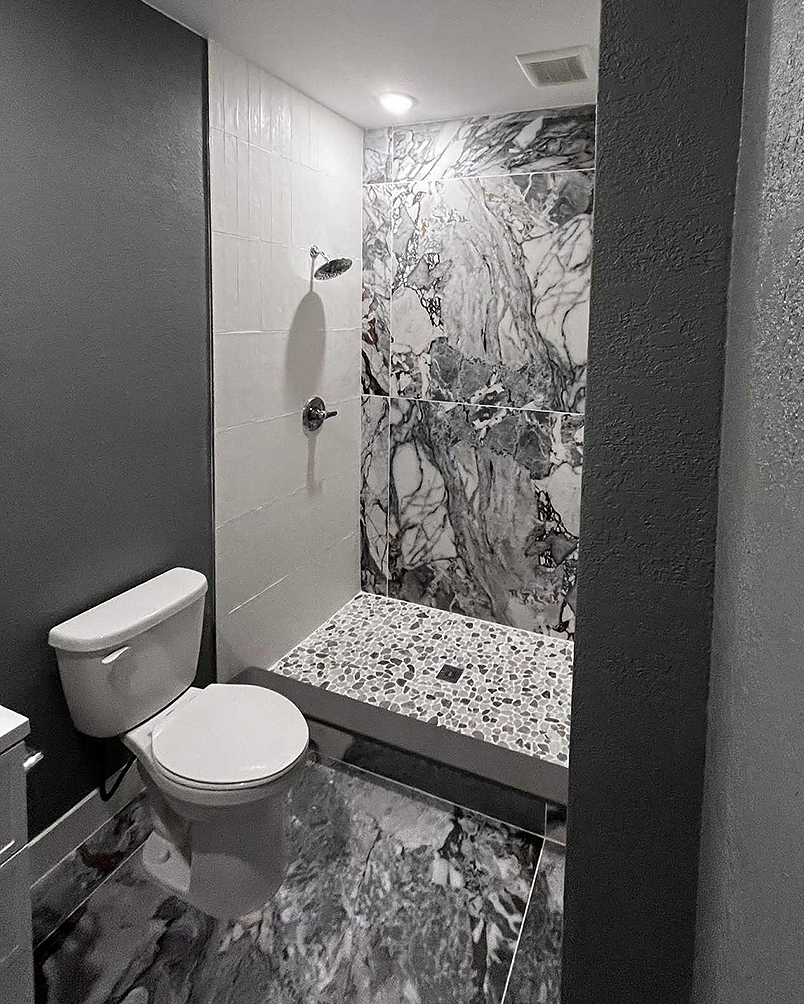
Local Upgrades That Improve Everyday Use
Tub to Shower Conversion Cost: What Colorado Homeowners Should Expect
Tub to shower conversion cost is one of the first things homeowners look up when they are done stepping over a tub wall or fighting with a bathroom layout that feels dated. Some people want a safer entry. Others want a cleaner look and easier maintenance. Either way, replacing a tub with a shower is a practical upgrade that can change how the whole bathroom feels.
At Mannis Home Enhancement, we help homeowners across Colorado plan bathroom upgrades that are built to last. If you’re in communities like Boulder or Denver, tub-to-shower conversions are popular because they modernize the space without requiring a full gut remodel in many cases.
Why Homeowners Replace a Tub With a Shower
For many households, the tub stops being useful. It becomes something you clean around, not something you use.
A walk-in shower can feel more open, easier to access, and easier to keep clean. It can also be a smart choice for aging-in-place planning, especially when safety and daily comfort are priorities.
If you’re weighing broader options, our bathroom remodeling service page shows common upgrade paths and the types of results homeowners expect.
Tub to Shower Conversion Cost: What You’re Actually Paying For
Tub to shower conversion cost is not just “tile and a glass door.” The price comes from scope, materials, and what has to change behind the walls.
Even when a conversion looks simple, the work may include demolition, plumbing adjustments, waterproofing, wall prep, and finishing details. A licensed and insured contractor prices the project based on what the bathroom needs to be done correctly, not just what looks good at the end.
The Biggest Factors That Change Tub to Shower Conversion Cost
Several variables can shift the cost significantly. Most of them come down to complexity, not size.
Plumbing changes
If the new shower uses the existing tub plumbing location, the project is typically more straightforward. If the drain must move, or the valve position needs major adjustment, costs rise.
Waterproofing system
Proper waterproofing is non-negotiable. The method used, the condition of the existing walls, and whether repairs are needed all impact cost.
Wall finish choices
Tile is durable and customizable, but labor varies by tile size, pattern, and installation complexity. Wall panels can be faster and sometimes reduce labor.
Shower base vs. custom pan
A pre-formed shower base can reduce installation time. A custom tiled pan can look seamless but is more labor-intensive.
Glass and enclosure style
A simple curtain setup costs less than a full glass enclosure. Frameless glass typically increases cost due to materials and precision installation.
Repairs discovered during demolition
Older bathrooms sometimes hide moisture damage or subfloor issues. Fixing those problems is important for safety and long-term durability.
A Realistic Way to Think About Pricing
Homeowners often want a quick number, but the best way to think about tub to shower conversion cost is in tiers.
A more basic conversion tends to keep plumbing in place, use simpler finishes, and minimize custom work. A mid-range conversion may add better fixtures, upgraded tile, niches, and higher quality materials. A high-end conversion often includes custom tile designs, premium glass, upgraded lighting, and additional bathroom improvements.
The right choice depends on the home, the bathroom’s condition, and what you want the space to do better.
How Long Does a Tub to Shower Conversion Take?
Timelines depend on scope and materials. Some conversions move quickly when the bathroom is in good condition and selections are finalized early.
A typical sequence includes demolition, plumbing changes if needed, waterproofing, wall installation or tile work, fixture installation, and finishing touches. If inspections or permits are required due to plumbing or electrical changes, that can affect timing.
Clear scheduling and communication matter. A conversion should feel organized, not chaotic.
Permits, Code, and Why “Licensed and Insured” Matters
Depending on the scope, permits may be required, especially if plumbing is moved or electrical work is involved. Local pros handle that process and keep work compliant.
Working with a licensed and insured contractor protects you. Bathrooms combine water, electrical, and moisture control, so shortcuts can turn into expensive repairs later.
If you want to understand how our team approaches workmanship and project care, you can learn more on our about us page.
Options That Add Value Without Going Overboard
Some upgrades add daily comfort without turning the project into a full renovation.
Built-in niches keep clutter off edges and corners. Slip-resistant flooring improves safety. A bench can help with comfort and accessibility. Better ventilation reduces moisture issues and protects finishes.
If you’re planning other areas of the home too, it can be helpful to view your bathroom upgrade alongside kitchen remodeling or basement remodeling so your timing and budget work together.
How to Choose a Contractor for a Tub to Shower Conversion
When homeowners search “tub to shower conversion near me,” they usually want reliability, not a sales pitch.
Look for a contractor who explains the plan clearly, prioritizes waterproofing and drainage, and gives you a written scope. You should also expect jobsite protection, daily cleanup, and realistic scheduling.
Want to see what finished projects can look like? Browse our gallery for real examples.
Frequently Asked Questions (FAQ)
What is the average tub to shower conversion cost?
It depends on plumbing changes, waterproofing needs, and finish selections. The best way to get a real number is a site visit and written scope.
Can I replace a tub with a walk-in shower without moving plumbing?
Often, yes. Keeping plumbing in place can reduce complexity, but the feasibility depends on the existing layout and drain location.
Does a tub to shower conversion add value?
In many homes it does, especially when installed professionally with durable materials and correct waterproofing.
Do I need permits for a tub to shower conversion?
Sometimes. If plumbing or electrical changes are involved, permits may be required. A licensed contractor typically handles permits and inspections.
Conclusion
Tub to shower conversion cost comes down to what needs to change behind the walls, the materials you choose, and how the shower is built to handle moisture long-term. When waterproofing, drainage, and code requirements are handled correctly, this upgrade improves safety, comfort, and daily function without the headaches that come from shortcuts.
If you’re ready to talk through your bathroom and get real pricing, reach out through our contact page to schedule a free consultation or call for a quote. You can also start at our home page to explore our services.
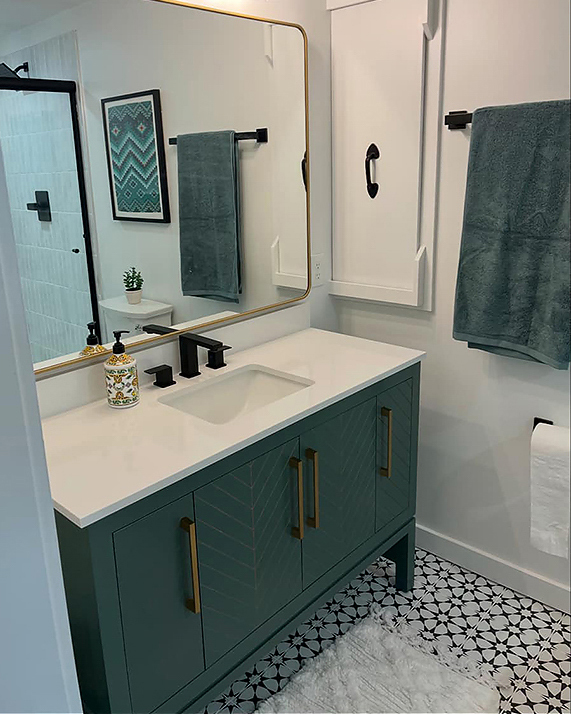
Get Started
Ready to Remodel Your Home?
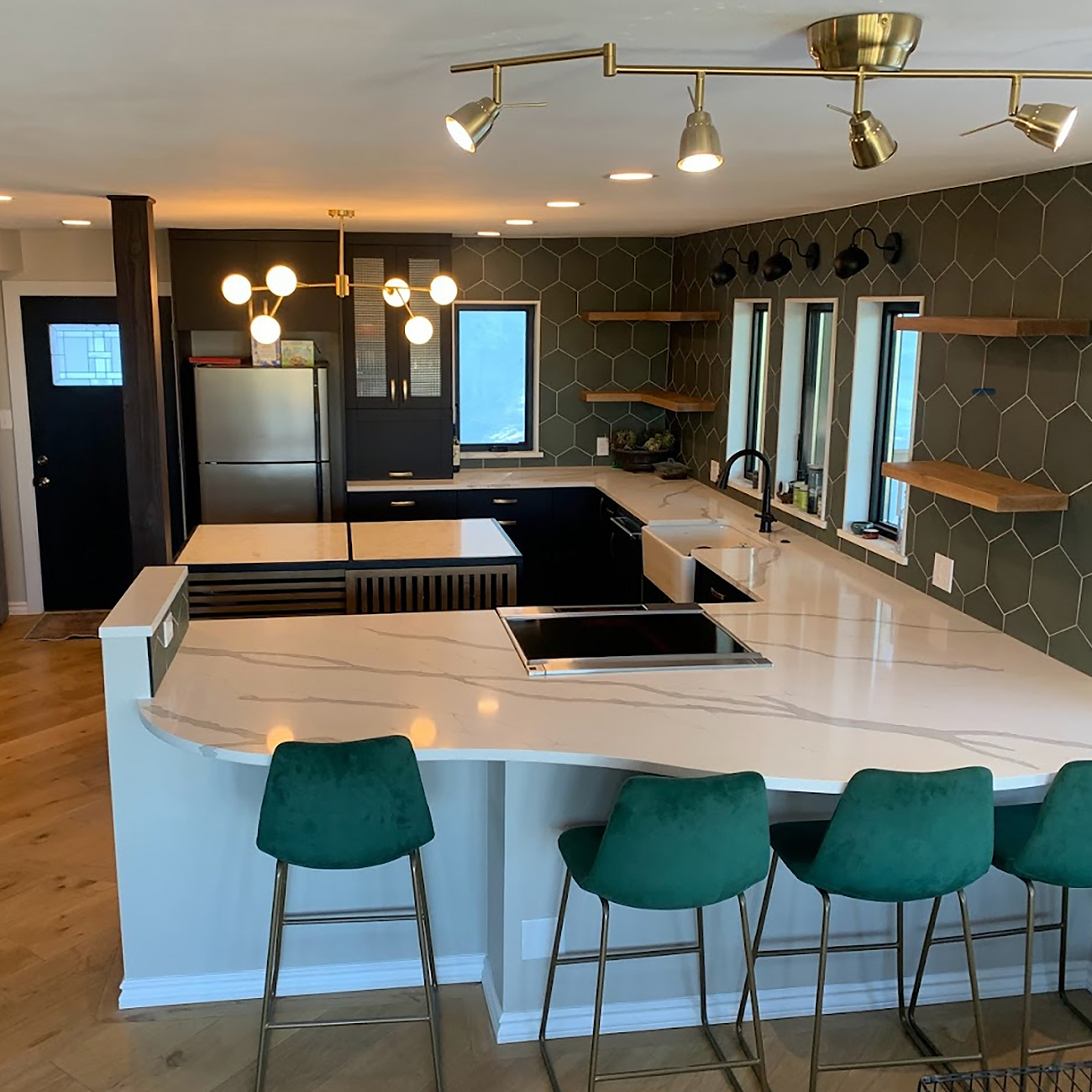
Kitchen Remodeling
Custom kitchen remodeling that improves flow, storage, and everyday function.
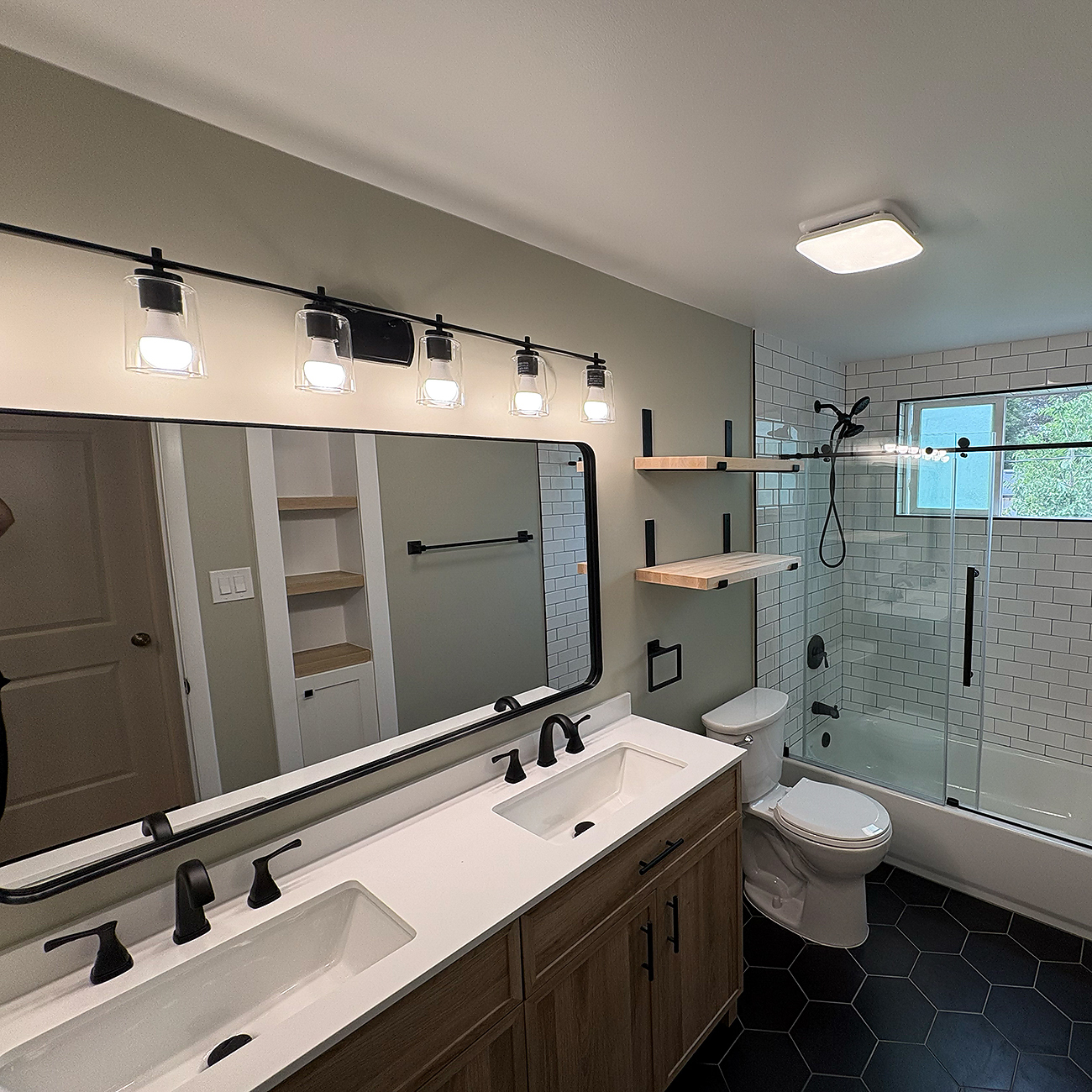
Bathroom Remodeling
Bathroom remodels focused on durability, comfort, and a clean modern look.

Basement Remodeling
Basement finishing and remodeling that turns unused space into true living area.